
We often see players at Need for Slots Casino pick a game because it seems thrilling, provides a big jackpot, or matches a preferred theme needforslots.co.nl. That urge is normal, but there is a smarter starting point: understanding casino game odds. Odds explain the mathematical likelihood of a result and the projected return built into every wager. At our casino, we believe players make better decisions when they grasp what these numbers signify before they make a bet. This guide describes the core ideas behind odds, house edge, return to player, and volatility. We explore how slot games differ from table games such as blackjack, roulette, and baccarat. We also cover how random number generators keep every round equitable and unpredictable. By the end, you will have a useful framework for comparing games, controlling a bankroll, and recognizing common misunderstandings. No system can assure a win, but understanding the odds assists you select games that fit your style and budget. Utilize this as a simple reference before your next session.
How Casino Game Odds Really Signify
Probabilities are a means of expressing how likely an event is to take place. In a casino, they typically appear as a percent figure, a fraction, or a payment multiple. For illustration, if a game gives you a 48% probability to claim a round, the odds are in favor of the house over the long run. This doesn’t imply every session will adhere to the same pattern. Short-term results can swing heavily in either direction, which is part of what makes gambling stimulating. We think of odds as a long-term map rather than a short-term promise. A single spin or hand is shaped by chance, while the built-in odds become more noticeable across thousands of rounds. When you grasp this, you can form realistic expectations. Casino odds are not meant to punish players; they are simply the cost of offering the game, upholding security, and providing payouts. The key is to see odds as information. They help you contrast one game with another, determine how long your bankroll might hold out, and identify when a bet is more hazardous than it appears. That is why we continually advise reviewing a game’s theoretical return before you begin.
Useful Bankroll Tips Based on Odds
We consider odds not to ensure wins but to help you control money with better expectations. Before a session, choose how much you can safely lose and split that amount into smaller bet units. For less volatile games, you can typically risk a a bit larger portion per round because wins tend to come more often. For highly volatile slots or bets with high odds, keep individual stakes lower so you can survive dry spells. A practical rule is to align your bet size to the game’s volatility. If you have 100 units, a low-variance slot may permit bets of 1 or 2 units per spin, while a high-variance slot may require 0.5 or 1 unit per spin. This is not a certainty, but it minimizes the chance that a quick losing streak eliminates your balance. Table game players can use the house edge to evaluate which bets are advisable making. Avoid side bets with large house edges unless you accept them as pure entertainment.
We also recommend using time limits rather than loss limits alone. The more you play, the more rounds you complete, and the more the house edge is prone to show itself. That does not imply you must stop if you are liking a session, but it is beneficial to take breaks and reassess your balance. When a game has an RTP of 96%, the 4% gap may not seem large in a single spin, but it becomes more pronounced over thousands of rounds. If you desire your bankroll to endure, choose games with greater RTP and lower volatility. If you favor the chance of a substantial win, accept that a highly volatile game will typically undergo longer losing periods. Set a session cap and follow it. We notice many players benefit from keeping a simple record of their deposits, wins, and losses. That record can show which games and bet sizes are most effective their personal style. Good bankroll habits do not alter the odds, but they help you make decisions before emotion takes over.
Gaming Table Odds: Blackjack, Roulette Wheel, Baccarat
Casino table games provide some of the clearest examples of how odds change with decisions. Black Jack is often regarded as one of the better games for participants because fundamental strategy can cut the house edge to around 0.5% in many rule sets. Roulette chances change by wheel type. A single-zero wheel with one zero provides the house a smaller edge than an American roulette wheel with two zeros, because the second zero raises the number of unfavorable outcomes for most outside bets. Baccarat game is straightforward: banker, player, and tie bets each have different probabilities and payouts. We consistently suggest comparing the specific bets within a game rather than considering the whole table as one odds profile. The same table can hold good value and bad wagers. A minor change in rules can shift the odds, so it is wise to verify the details before you sit down. Listed below are a few typical table game bets ranked from generally lower house edge to higher house edge:
- Basic strategy blackjack — often approximately 0.5% house edge, based on rules.
- Baccarat bank wager — approximately 1.06% house edge on many tables.
- European roulette outside bets — about 2.7% house edge.
- American roulette most bets — around 5.26% house edge.
- Baccarat tie bet — generally much higher, commonly above 14%.
Odds in Slot Games: RTP and Volatility
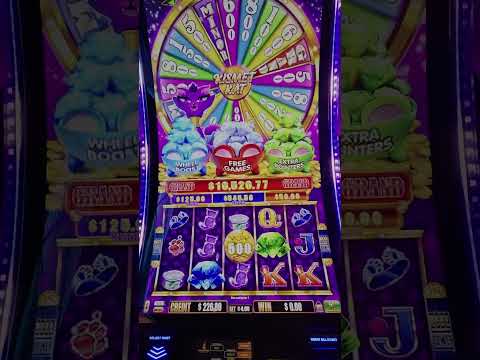
Slot games are built around a random number generator, but they also have a theoretical return to player and a volatility profile. Volatility defines how often and how much a slot tends to pay. Low-volatility slots usually deliver smaller, more frequent wins, which can help preserve a bankroll during longer sessions. High-volatility slots may have long dry spells followed by larger payouts, which fits players who are comfortable with bigger swings. The RTP gives a broad idea of the long-term return, while volatility reveals more about the ride. We think both numbers matter. A 96% RTP high-volatility slot can feel very different from a 96% RTP low-volatility slot even though their long-term returns are similar. Before you spin, check the game rules or information page if available. Many modern slots present RTP in the paytable or help section. Understanding volatility can help you avoid frustration because you will know that a run of empty spins may simply be part of that game’s design rather than a sign that the game is broken.

Progressive jackpot slots add another layer to odds. A small share of each bet feeds the jackpot, which lowers the base game return slightly but creates the chance for a life-changing win. The odds of hitting the top prize are extremely low, often millions to one, so we consider these games as entertainment rather than a reliable way to build value. If you play progressives, consider wagering only what you can afford to lose and regard the jackpot as a bonus, not an expectation. Standard slots with fixed top prizes usually have more predictable maths because the entire return is contained within the game. Comparing RTP and volatility between standard and progressive slots can help you understand why some jackpot games feel tighter during normal play. We recommend mixing your approach if you enjoy both styles. A balanced slot session might include a lower-volatility game for steady action and a small portion of your bankroll on a progressive for the dream of a huge payout. That way, the odds remain part of your strategy instead of an afterthought.
In what manner Random Number Generators Keep Games Equitable
Each result at a licensed online casino are generated by a random number generator, or RNG. This software always produces numbers, and each spin or card is mapped to a number at the exact moment you act. We trust RNGs because they erase human bias and make each round independent. A slot that has not paid for a while is not “due” to hit, and a table game doesn’t recall previous results. The odds stay the same from one round to the next. Independent testing houses regularly audit these systems to confirm that games operate within expected statistical ranges. At Need for Slots Casino, games are provided by established studios that use certified RNG technology. This means the theoretical RTP and house edge are far from just marketing figures; they describe how the game is configured under the hood. Randomness can appear unusual because human brains seek patterns. You could observe streaks, but those streaks are typical in random data. Realizing that each round is independent keeps you from chasing losses or increasing bets after a perceived pattern. The odds don’t change based on your history, and no betting system can modify the underlying maths.
Theoretical Edge and RTP
House edge and return to player, often termed RTP, are opposite sides of the same equation. RTP is the portion of all wagered money a game is expected to pay back to players over time. If a slot has an RTP of 96%, the calculated house edge is 4%. That means for every 100 units wagered, the game is intended to return 96 units across a very substantial number of rounds. We emphasize that these figures are long-term averages, not guarantees for your session. A high RTP tends to indicate a lower house edge, which may be appealing if you want your balance to endure more. Table games can have quite different house edges depending on the bet you choose. It is useful to compare these percentages before you play. However, a low house edge does not imply you will win. It only indicates the game retains less in theory. At Need for Slots Casino, we advise players to review game information panels and comprehend the gap between a payout percentage and a return to player figure. The more you learn, the simpler it is to select a game that fits your appetite for risk and reward.
FAQ
How does house edge signify?
The house edge is the mathematical advantage a casino maintains on a specific bet. It is generally shown as a percentage of each wager the house anticipates to keep over time. For example, a 4% house edge means the game yields about 96% of wagers in the long run. It is valid across many rounds, not to a single result.
Does a higher RTP always more favorable?
A higher RTP typically means a lower theoretical house edge, which can help your balance last longer. However, RTP doesn’t guarantee wins. Volatility also plays a role. A high-RTP slot with high volatility may still produce long losing streaks. We advise using RTP alongside volatility and bet size to locate a game that matches your personal comfort level.
Could a slot be due for a win?
No. Each spin is independent because a random number generator selects the outcome. Previous results don’t influence the next spin. A slot that has not paid for many rounds isn’t more likely to hit. This represents a common misunderstanding, but the odds begin anew on every spin. Chasing a perceived due win can lead to larger losses.
Are betting systems alter the odds?
Wagering methods can determine how much you stake, but they cannot change the house edge or RTP. Systems like doubling after a loss may create bigger short-term wins occasionally, but they also amplify risk. Over time, the underlying calculations stays the same. We see such systems as money management tools, not methods to beat the casino.
Which casino game has the best odds?
Blackjack often has some of the best odds when employed with basic strategy, with a house edge below 1% in many rule sets. Baccarat’s banker bet is also strong, usually around 1.06%. European roulette offers better odds than American roulette. Slots vary, but higher RTP and lower volatility generally give a smoother experience. Always check the specific rules.
What exactly is volatility in slots?
Volatility indicates how often and how much a slot tends to pay. Low-volatility slots deliver smaller, more frequent wins. High-volatility slots have longer dry spells but can offer larger payouts. Volatility does not influence RTP directly, but it modifies the experience. Understanding it helps you set an appropriate bet size and session length for your bankroll.
Is it true that Need for Slots Casino disclose RTP information?
Numerous games at Need for Slots Casino show RTP within the game rules , pay table , or help section. klik voor details We encourage players to review this information before wagering. If a game does not show RTP directly, the developer’s official documentation usually lists it. Being aware of the theoretical return can help you compare games and take more informed choices.